01
Boutique hotel
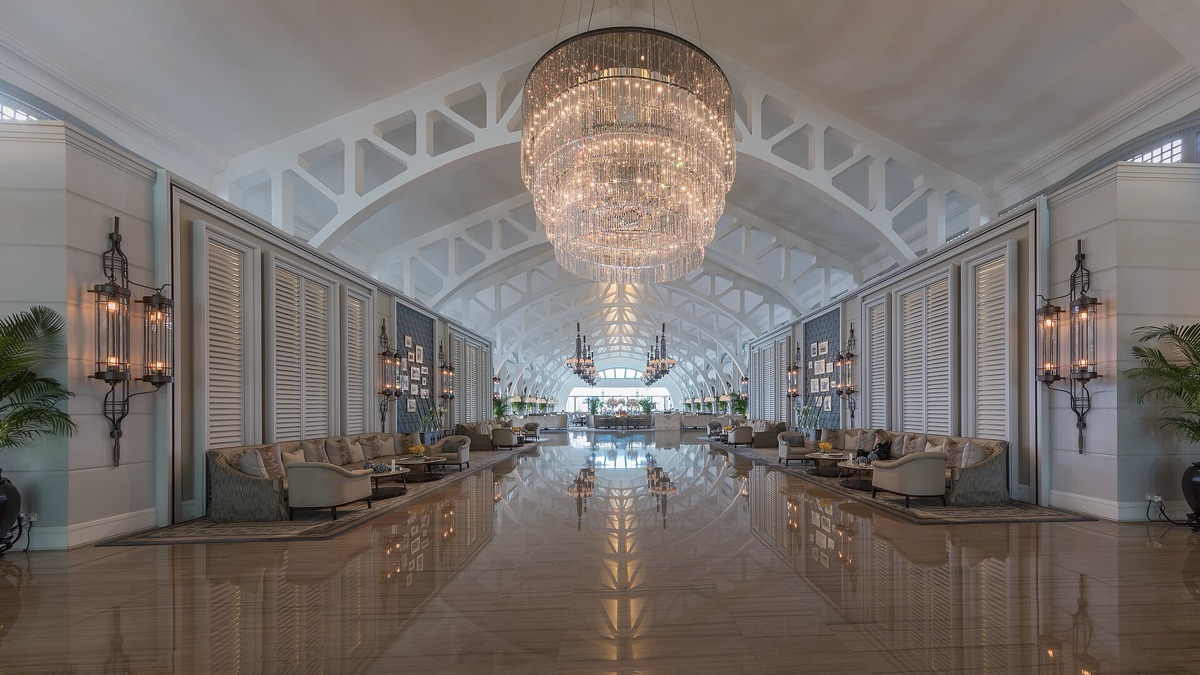
Art defines a hotel’s personality even before the front desk does. We propose works for the lobby, public areas, restaurant and rooms, with a narrative consistent with the project and terms adapted to each season.
A private collection of more than 90 works —painting, drawing, sculpture and original prints— available for hotels, offices, professional firms and interior design. Barcelona · Madrid · across Spain.
The Eleve Art manifesto

Much of the original art of the twentieth century now lives in the dark: in boxes, storage units and museum stores, waiting for a moment that almost never comes. Meanwhile, the places where we spend our lives —hotels, offices, studios, homes— fill up with reproductions and interchangeable decoration. Eleve Art was created to bring those two realities together.
An original work is not an image: it is an object. It has material, scale, weight and the trace of a hand. In an etching, the pressure of the plate leaves a relief in the paper; in an oil painting, light is caught in the impasto; in a Derain drawing you can still sense the hesitation of the pencil. That difference is felt even when it cannot be explained, and it changes how a space is lived in, how people talk in it and how it is remembered.
That is why we work only with original works: paintings, drawings, sculptures, ceramics and limited-edition prints, with documented provenance.
For centuries, collecting has meant owning and storing. We propose a different ethic: that works circulate, that they work, that they are seen. A piece hanging in a lobby receives more glances in a week than in ten years inside a crate.
Renting allows hotels, companies and interior design studios to live with first-rate works without tying up capital, to adapt the selection to each project and each stage, and to invest in something more lasting than seasonal decoration. Reusing what already exists is also a form of responsibility.
For many people, their first encounter with a Tàpies, a Miró or a Warhol does not happen in a museum, but in a company reception, a notary’s waiting room or a hotel corridor. Bringing art into everyday spaces is a quiet form of cultural mediation: it raises questions, starts conversations and gives works back their first purpose, which is to be looked at.
The reproduction rights of a work belong to its authors and their heirs, not to whoever owns the original. Out of respect for them, this website does not reproduce works without a licence. We only publish photographs of a work when it is allowed: if the work is in the public domain, if we hold a licence from the collecting society (VEGAP) or express permission from the artist or their heirs. When another copy of the same edition has been published with authorisation —by a museum, a foundation or an auction house— we link to that page instead of copying the image.
What you will find here are texts, records, dimensions and documentation; photographs are shared in a private dossier, in the context of a specific project.
There is also a conviction behind it: a screen cannot replace the experience of standing in front of a work. This website is an index and an invitation. The real encounter happens when the work hangs on your wall: in the hotel, office or home where it is going to live.
We don’t choose works to match the sofa. Every proposal starts with the place: its architecture, its light, its use and the people who inhabit it. We look for dialogue between works, context and story, so that each piece makes sense in the space and the space gains meaning with it.
A work on the wall is a living work. A work in storage is just inventory.
One of the hundred prints of the Suite Vollard, the series Picasso etched between 1930 and 1937 and widely regarded as the pinnacle of his graphic work. Clean, classical line turns an everyday gesture into a small, intimate theatre. A museum piece on a domestic scale.
An oil from Óscar Domínguez's Parisian period — the Canarian Surrealist who invented decalcomania. In the series «Vistas urbanas de una ciudad irreal», architecture breaks down into Cubist-rooted planes within a dreamlike atmosphere. Certified and registered with TEA, Tenerife.
Original painting on paper signed by Antoni Tàpies in 1976, at the height of his maturity. Gashes, rough impasto and pencil build a surface that reads like a wall: the matter-based language that made Tàpies a central figure of post-war European art.
A unique work registered in the Tàpies complete works archive. Humble, absorbent wrapping paper takes paint and pencil as if it were a wall marked by time. A piece that sums up his fondness for poor materials and everyday signs.
Gouache on paper from 1988, certified by Galerie Bruno Bischofberger in Zurich, one of the leading galleries of international contemporary art. Direct painting, with swift gesture and living matter, by one of the most acclaimed living Spanish artists.
Etching from the Lanzarote series, in an edition of 35. Barceló transfers his physical relationship with landscape and matter onto the copper plate: a print of great presence, with the energy of drawing and the depth of intaglio black.
Offset lithograph from the 1950s, when Andy Warhol was New York's most sought-after commercial illustrator. Authenticated by the Andy Warhol Foundation, it reveals the origins of his Pop eye: humour, delicate line and the commission turned into art.
From the period when Warhol drew shoes for I. Miller, the campaign that made his name in post-war Manhattan. A hand-coloured lithograph with his characteristic blotted line: an early document of the artist before the soup can.
Monochrome version from the Gee, Merrie Shoes series. Without colour, the piece reveals the virtuosity of Warhol's draughtsmanship and his transferred-line technique, a direct precursor of the mechanical repetition that would define Pop Art. An intimate format, ideal for reading spaces.
Offset lithograph from the mid-1950s, not catalogued in Feldman & Schellmann. A tattooed woman holds a rose: popular iconography and an illustrative tone that herald Warhol's interest in consumer imagery and mass culture.
Screenprint from the Flowers series (1970), one of the most recognisable images of Pop. Warhol started from a magazine photograph and turned it into a flat, repeatable, luminous motif. A square format of over 90 cm, designed to command a wall.
Collage, pencil and tempera from 1978, a unique piece. Akushov belongs to Sots Art, the Soviet answer to Pop, which appropriated official slogans and posters in order to empty them of meaning. A work rarely found in Spanish collections, with strong historical resonance.
A unique diptych on Gosznak paper, the stock used to print official documents in the USSR. Two variations on Leninist iconography and the language of the propaganda poster, reread with Sots Art irony. A conversation piece for corporate spaces.
Mixed-media study by Erik Bulatov, one of the defining names of Russian conceptual art. His work sets word against image, pictorial space against slogan, to ask what we really see. An original 2002 study for discerning collectors.
A unique work by German artist Monika Brandmeier, known for sculptures and installations that think through space and line. Pencil, oil and tape on waxed paper: a quiet, precise and thoroughly contemporary piece, perfect for understated interiors.
A portfolio by Farideh Lashai, a key figure in Iranian contemporary art: 22 hand-painted screenprints and an original work on Plexiglas, brought together as an artist's book. Poetry, nature and memory in a piece certified by the artist's foundation.
Watercolour and collage by Eduardo Arroyo, a leading figure of narrative figuration in 1960s Paris and one of the most incisive Spanish painters of the 20th century. His characters — boxers, painters, clowns — speak of identity and the mask with humour and critique.
A 1985 oil by Jorge Castillo, the Galician painter shown at the São Paulo and Venice Biennales and held in collections such as the Guggenheim. A painting of intense colour and dreamlike space, certified by the artist, for walls that call for a statement.
A 1920 pencil drawing bearing the studio stamp of André Derain, co-founder of Fauvism alongside Matisse. After the explosion of colour, Derain returned to classical drawing: here, a profile rendered with economy and assurance. Small format, great name.
The second Derain drawing in the collection, also from 1920. A head barely ten centimetres across that shows a master's hand during his return-to-order period. Ideal for building a cabinet of drawings or a reading corner with character.
Textile collage by Josep Grau-Garriga, the artist who lifted tapestry out of decoration and into contemporary art, with work in the Metropolitan Museum in New York. Threads, bobbins and fabric build a tactile surface in greens and ochres that brings instant warmth to a space.
A large-format print by Joan Miró in etching, aquatint and carborundum on Guarro paper, published by Sala Gaspar in Barcelona in an edition of 50. Carborundum lends relief and depth to the colour: Miró in his purest form, with his vocabulary of signs and his energy.
A companion to Barcelona III, from the same series and in the same technique: etching, aquatint and carborundum, signed in pencil. Together or apart, these pieces bring the colour, scale and instant recognition of the great name of Catalan Surrealism.
An original blue ink drawing by Tracey Emin, one of the Young British Artists who transformed British art in the 1990s. Quick, confessional, vulnerable line: intimacy as language. A unique, signed piece of enduring relevance.
A large-format print by Bob Dylan, in a signed limited edition. The Nobel laureate in Literature has drawn and painted for decades; his visual work shares with his songs the eye of a traveller and storyteller.
A portrait from the Portraits series by Julian Opie, the British artist who reduces the human figure to line and flat colour. An edition of 40: a clean, contemporary image that works well in reception areas and brand spaces.
A screenprint nearly one and a half metres tall by Tom Wesselmann, a major figure of American Pop Art. The contemporary nude converses with a quotation from Cézanne: art history and pop culture in a single image.
A print by Luis Feito, co-founder of the El Paso group and a benchmark of Spanish Informalism. Reds and blacks in tension, with the economy of means that characterises his mature work.
An original lithograph by Hans Hartung, a pioneer of European lyrical abstraction. Converging lines on a black ground and a band of colour: gesture turned into structure.
A lithograph in which Subirachs reinterprets Velázquez's Las Meninas in his geometric, monumental language. A dialogue between Barcelona's great 20th-century sculptor and the most studied painting in Spanish art.
A lithograph by Subirachs devoted to the figure of David, rendered with the geometric synthesis that characterises his sculpture. Classicism and modernity in a 70 × 50 cm format.
A large-format oil by Canarian painter Pedro Paricio, one of the young Spanish painters with the strongest prospects. Its title pays homage to Van Gogh in a language of his own: colourful and contemporary.
Mariana of Austria, portrayed by Velázquez, is one of Manolo Valdés's signature motifs. In this mixed-media print the figure emerges from glazes and textures: art history rewritten in matter.
A Carrara marble sculpture by Pablo Atchugarry, the Uruguayan sculptor based in Italy whose vertical forms seem to rise like light. Upward movement and a polished surface: a piece to be walked around.
Mixed media on canvas in which Grau-Garriga merges figure and architecture through his matter-based, textile language. A warm work with a rich surface, certified by Galería Guerrero.
A dark silhouette before a green screen: a dialogue between human figure and abstraction in Grau-Garriga's universe. Painting with a textile vocation, of great evocative power.
Mixed media on paper by Antoni Clavé, the Barcelona-born painter, printmaker and sculptor who built his career in France. Between figuration and abstraction, collage and gesture, his work distils half a century of modernity.
An oil by Alceu Ribeiro, a pupil of Joaquín Torres-García and a figure of Constructive Universalism. Everyday objects arranged within a geometric structure: balance, rhythm and a highly versatile earthy palette.
Ribeiro's second Constructivist painting in the collection, from 2007. Together with Bodegón constructivista I it forms an ideal pair for dining rooms, boardrooms and hospitality spaces.
A sculpture by Hiro Ando, a leading name in Japanese Neo-Pop, blending samurai tradition with manga culture. Carved, painted and varnished stainless steel: humour, colour and craftsmanship in a unique piece.
Hiro Ando's second Pandasan sculpture, with a multicoloured finish on carved stainless steel. A playful, eye-catching presence for lobbies, brand spaces and creative offices.
A sculptural relief from the Monocrom series (1990) in paper pulp, polyester resin and black pigment. A work from the period when Plensa was investigating matter and the object, before his large figures.
An original Picasso ceramic produced at the Madoura workshop in Vallauris, in an edition of 300. The owl was one of his favourite motifs in clay: a Picasso to touch with the eye.
A ceramic plate by Picasso with a bullfight scene, catalogued as A.R. 182 in Alain Ramié's catalogue raisonné and produced at Madoura. Tauromachy, a central theme for the artist, in the form of an object.
A highly symbolic etching in which Tàpies fuses his commitment to Catalan identity with his abstract vocabulary of signs, letters and traces. A work with a story, particularly suited to institutions and spaces with roots in Catalonia.
The X is one of Tàpies's most recognisable signs: crossing-out, intersection, unknown. In this 1976 etching it takes centre stage. Graphic rigour and symbolic force for offices, boardrooms and reception areas.
The cross and the letter S, marks that in Tàpies oscillate between writing, symbol and pure form. A print from the 1970s that distils his idea of art as a wall on which signs and memory accumulate.
Two hands appear as imprints on the picture plane: a minimal, almost archaeological human presence. A print that sums up Tàpies's poetics, in which the body leaves its trace on matter.
Sgraffito on a black ground: Tàpies scrapes, scratches and uncovers the surface. A print of great intensity that carries onto paper one of the essential gestures of his matter painting.
Numbers, letters and marks organise a space that resembles a wall full of vestiges. A 1970s print about communication, time and the trace, ideal for spaces of work and reflection.
The letter O as pure form: void, circle, origin. Tàpies turns a letter of the alphabet into a contemplative image. A restrained, elegant print that works very well in series and wall groupings.
Letters dissolving into a grey atmosphere: writing that becomes landscape. A print of restrained tone and great delicacy within the collection's group of Tàpies graphic works.
A print by Jaume Plensa, the Catalan sculptor behind the large heads and letter figures installed in cities around the world. His graphic work pursues the same search: silence, the word and human presence. Vertical format, 76 × 56 cm.
The second Plensa print in this format, designed to converse with Grabado 1 in the same space. An accessible way to bring in the signature of one of the Spanish artists with the greatest international reach.
Drypoint on chiné paper published by Art of this Century (Paris, 2002), numbered and signed. Manolo Valdés, co-founder of Equipo Crónica, rereads the great masters of painting in a language all his own. The first print of a series of ten held in the collection.
A print from the series of drypoints Manolo Valdés made for Art of this Century in 2002, in an edition of 75. The drypoint line, with its velvety burr, combines with chiné paper to give depth to his reinterpretations of art history.
Drypoint on chiné paper from the series published in Paris in 2002. Valdés takes icons of painting and rebuilds them with a free line and a Pop sensibility: a big name in a manageable format, easy to integrate into series.
The third print from the Art of this Century series. Like the rest of the set, it measures 51 × 40.5 cm, allowing walls of two, three or more pieces to be composed with coherence and rhythm.
Drypoint by Manolo Valdés, one of the living Spanish artists most widely represented in international museums and collections. Part of the 2002 series published in Paris; ideal for corridors, meeting rooms and transit areas.
A print from the same series of drypoints on chiné paper. Drawing directly onto the copper preserves the freshness of Valdés's gesture and his constant dialogue with the painting tradition.
The sixth print from the Art of this Century series. An accessible way to bring original graphic work by an established artist into a project, in a limited and documented edition.
Drypoint on chiné paper from 2002. Together with the other prints in the series, it allows a unified graphic installation, particularly effective in hotels and corporate spaces.
A print from the series published by Art of this Century in Paris. Line, paper and limited edition: an original work by Manolo Valdés in a format designed to live alongside architecture.
The penultimate print of the series of ten held in the collection. With its companions, it forms one of the most versatile graphic groups in the catalogue for interior design projects.
A large-format etching by Albert Ràfols-Casamada, painter and poet, one of the most lyrical voices of Catalan abstraction. Light and shadow are balanced in a restrained, serene palette: ideal for calm spaces.
Railway tracks vanishing towards the horizon: the imagery of travel, so present in Dylan's songs, in a signed limited-edition print. A conversation piece for hotels and creative spaces.
An original print from Jaume Plensa's Twins series, published by Lelong Editions (Paris) and printed at Joan Barbarà's Taller 46 in Barcelona. A 100 × 70 cm workshop proof.
A 178 × 125 cm etching on handmade Korean Hanji paper: an exceptional piece in scale within Plensa's graphic work. Edition of 15, certified by Polígrafa Obra Gráfica.
A photogravure from Plensa's series of ethereal figures on Hahnemühle paper, in an edition of 15. A quiet, vertical presence, in tune with his large sculpted heads.
A companion to Untitled-1: a vertical figure, glazes and dissolving strokes. Together, the two prints create a contemplative space well suited to reception areas and principal rooms.
Mixed media on card by Modest Cuixart, who in 1948 co-founded the Dau al Set group with Tàpies, Tharrats and Brossa. Matter, gesture and colour in the tradition of Catalan Informalism, in an intimate format.
A charcoal drawing by Josep Maria Subirachs, the sculptor of the Passion façade of the Sagrada Família. His sculptor's thinking is evident in the drawing: volume, geometry and the synthesised figure.
Graphic work by Maria Assumpció Raventós, a Catalan painter and printmaker associated with abstraction and Informalism. A female voice of the post-war generation that deserves its place on the wall.
Acrylic on card by Joan-Josep Tharrats, co-founder of Dau al Set and inventor of «maculatures», a printing and stamping technique that produces unpredictable textures. The first piece in a series of compositions from 1990.
A composition from Tharrats's 1990 series. His maculatures evoke cosmos, maps and matter in motion: experimental Catalan abstraction, in a 54 × 37 cm format.
One of the 1990 compositions in which Tharrats explores the controlled chance of printing. It works alone or in series, bringing colour and texture to contemporary spaces.
Acrylic on card from the 1990 series. Tharrats's work, halfway between painting and printmaking, is a direct testimony to the Catalan avant-garde born with Dau al Set.
A Tharrats composition in which texture and colour are layered. Its format is consistent with the rest of the series, ideal for composing walls of three or more pieces.
Another piece from the 1990 series: experimental abstraction, vibrant surfaces and the mark of an artist who made technique a territory of invention.
Acrylic on card by Joan-Josep Tharrats. A work that speaks of energy, matter and chance, and sits naturally in clean-lined interiors.
A composition from the 1990 series, in the same format as its companions. Together they form one of the collection's most complete offerings for projects with a Catalan identity.
A piece from Tharrats's series of maculatures. Colour and texture in dialogue, with the experimental freedom that characterised the Dau al Set group.
Acrylic on card from 1990. A painting that invites close looking: overlays, transparencies and controlled accidents.
A Tharrats composition from the 1990 series. Together with the rest of the group, it makes it possible to create a room or corridor devoted to Catalan abstraction.
The collection's only Tharrats on wood, from 1980 and in landscape format. The rigid support heightens the physical presence of the paint and its quality as an object.
A large vertical mixed-media work by Roman painter Matteo Bultrini. Contemporary Abstract Expressionism with references to landscape: a work of emphatic presence for generous spaces.
A 1976 oil by Luis Fernández depicting the Edificio Capitol, an icon of Madrid's Gran Vía. Urban realism at 130 × 100 cm: a piece with a city story, particularly suited to Madrid.
A 1969 oil by Josep Hurtuna, a Catalan painter and printmaker of the post-war generation. A generously sized abstraction that brings solidity and colour to offices and meeting rooms.
A one-metre-square oil by El Masnou painter Lluís Ribas. A figurative, popular scene with the warmth of narrative painting: an approachable work that converses with its viewer.
The second Modest Cuixart mixed-media work in the collection, an original and unique piece. The figure emerges from the matter, in the language the artist developed after his Informalist period.
Miró on the Rambla, Tàpies on Passeig de Picasso, Plensa in Zaragoza: where to see the collection’s artists in the street (page in Spanish).
See the route →Art defines a hotel’s personality even before the front desk does. We propose works for the lobby, public areas, restaurant and rooms, with a narrative consistent with the project and terms adapted to each season.
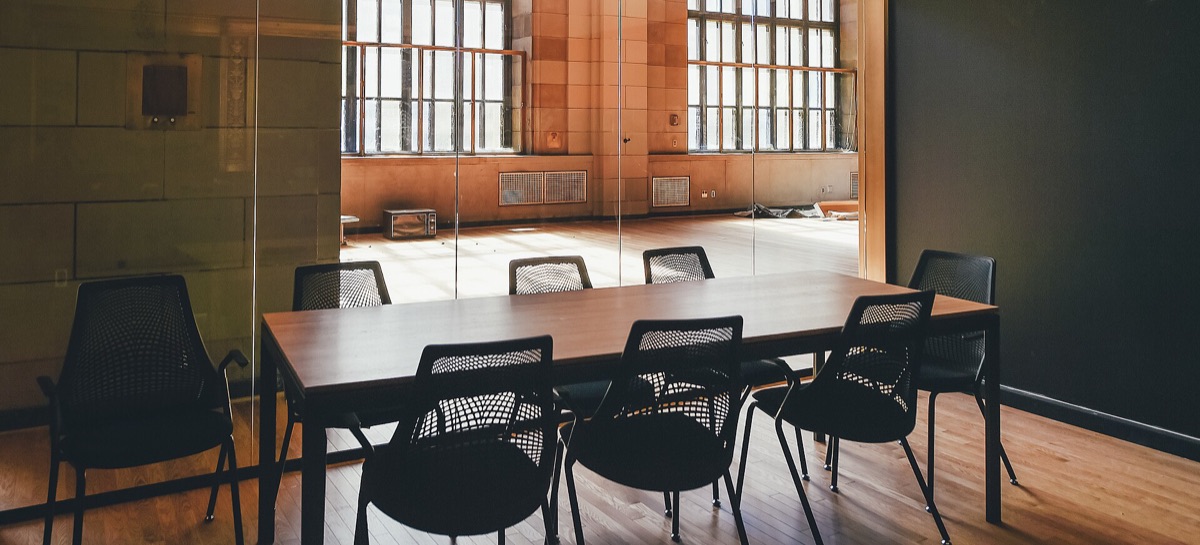
Law firms, notaries, consultancies and family offices: prints and paintings by established artists that convey solidity and judgement. Tàpies, Plensa, Valdés or Catalan abstraction for boardrooms, receptions and executive offices.
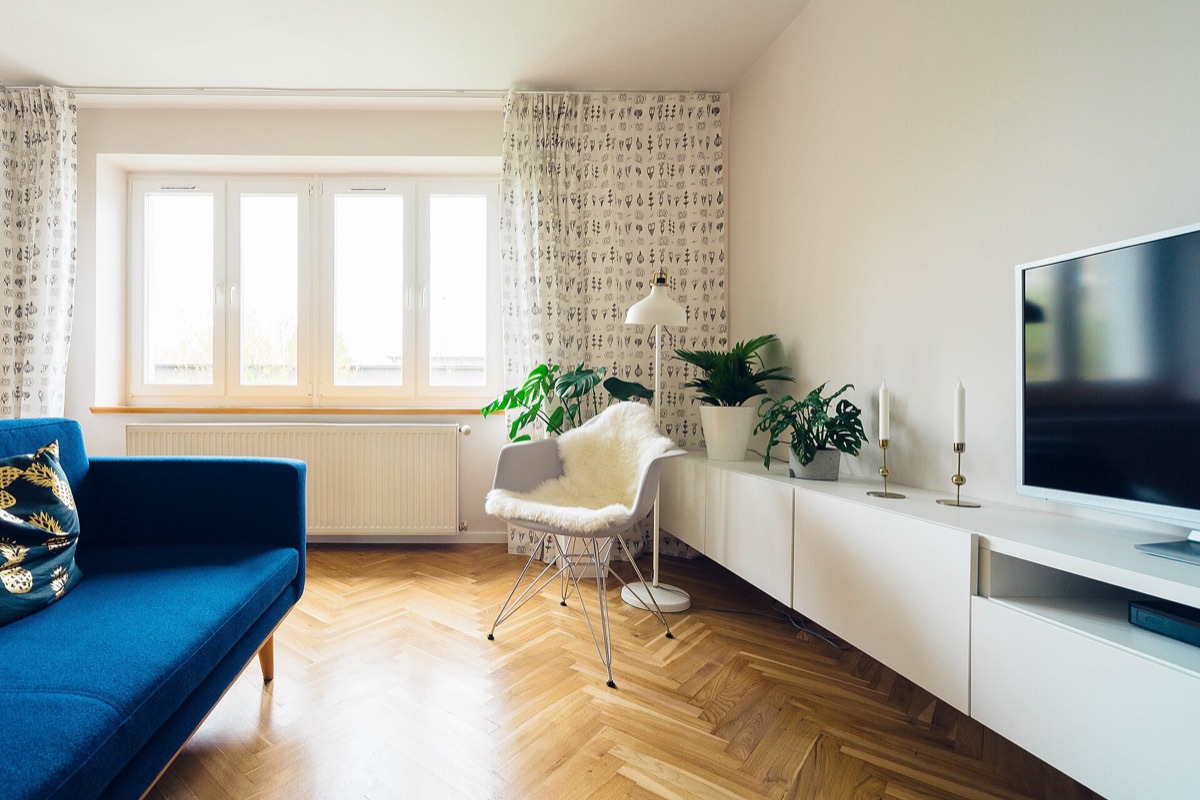
For interior design studios, home staging and high-end homes: original pieces that complete a project without having to buy. Ideal for presenting a property or a development, or furnishing a second home.
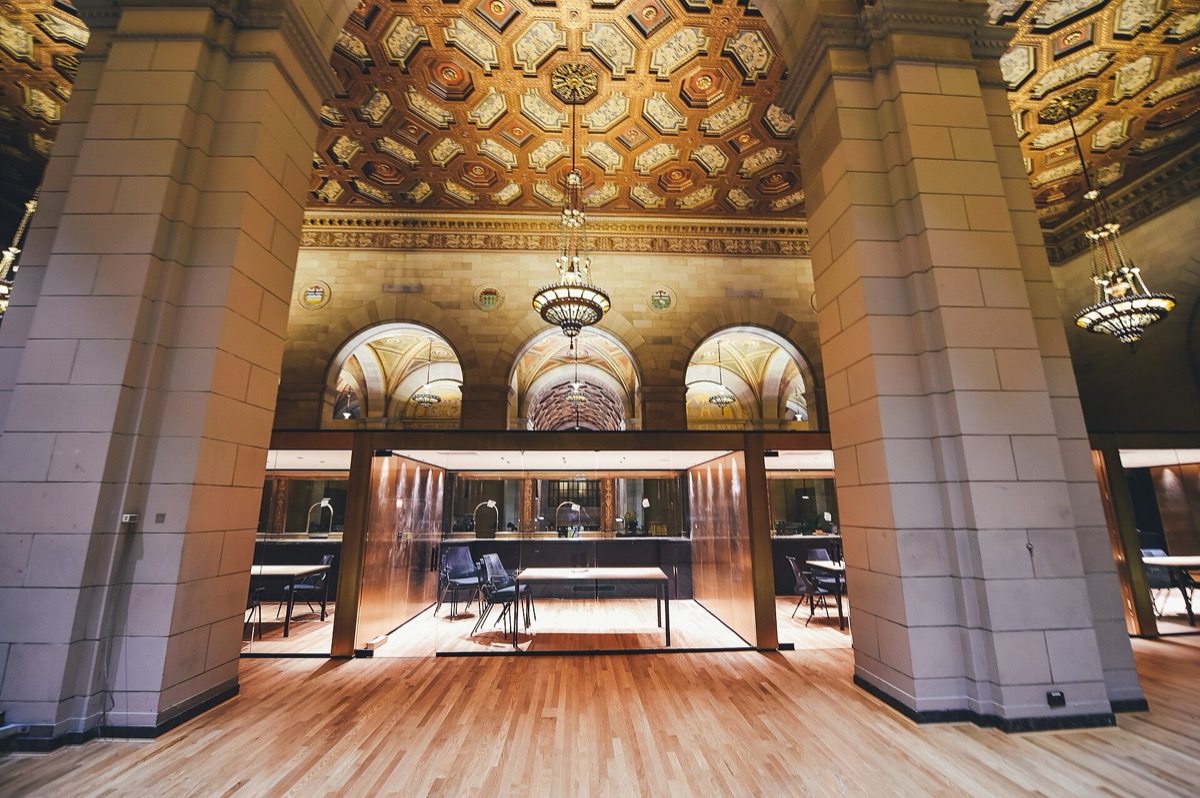
Corporate headquarters and creative workspaces: pop, figuration and contemporary art that spark conversation, strengthen company culture and give character to open spaces.
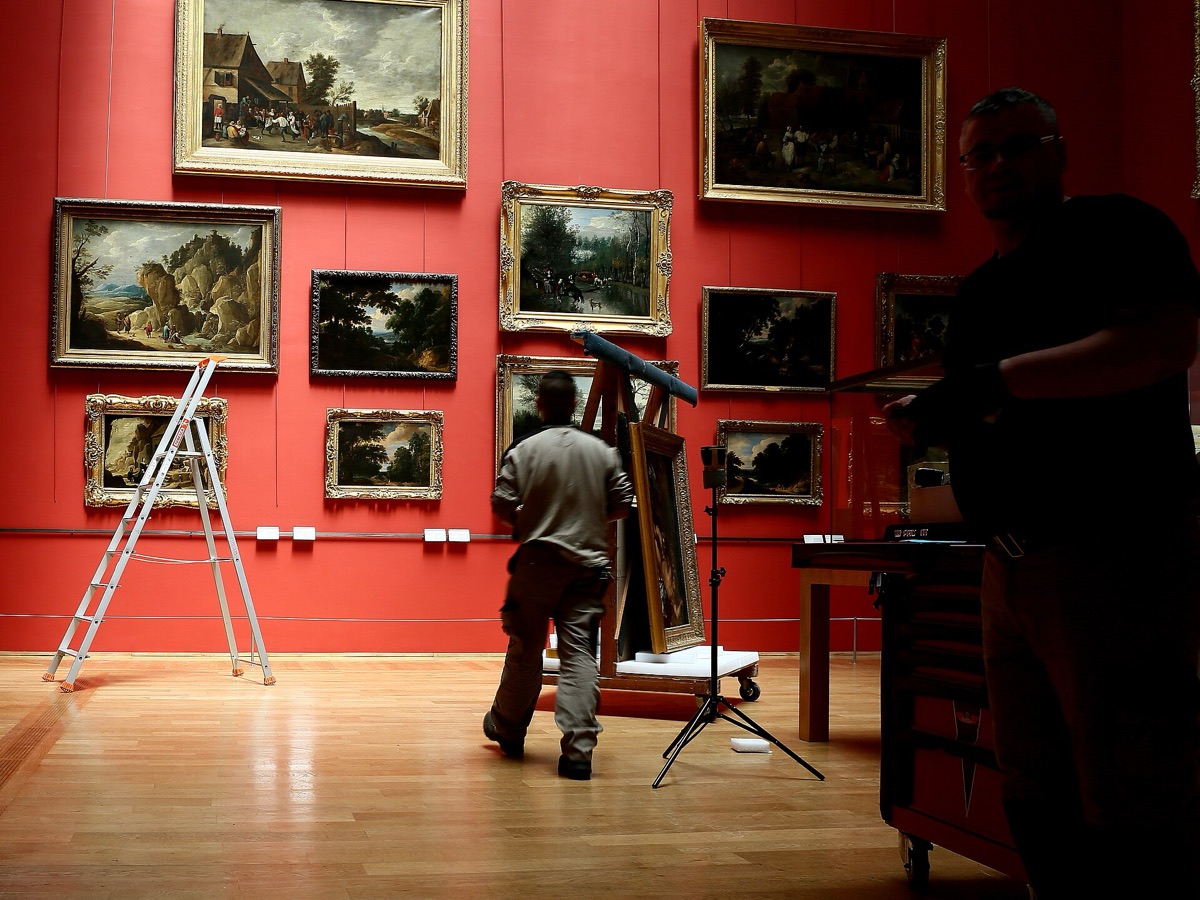
Short-term rental for events, fairs, launches, photo shoots and audiovisual productions, with coordinated transport and installation. Shoots and sessions in which the works appear are always subject to the client obtaining permission from the rights holders.
Original works by recognised artists to give a space character from day one.
Internationally renowned names for spaces that want to be remembered.
Unique pieces by the great names of the twentieth century, with documented provenance.
At the Essential and Collection levels, the works are renewed periodically: your clients, staff or guests discover new pieces every season, and the space stays alive.
We work with series in the same format —such as Manolo Valdés’s prints or Joan-Josep Tharrats’s compositions— so each change uses the same fixings, with no new holes and no disruption.
Rotation frequency respects the conservation of the works: the more valuable and delicate a piece, the less it is handled. That is why the Masters level does not rotate.
Need something else? We also rent individual works, for shorter terms or for events, and prepare bespoke selections.
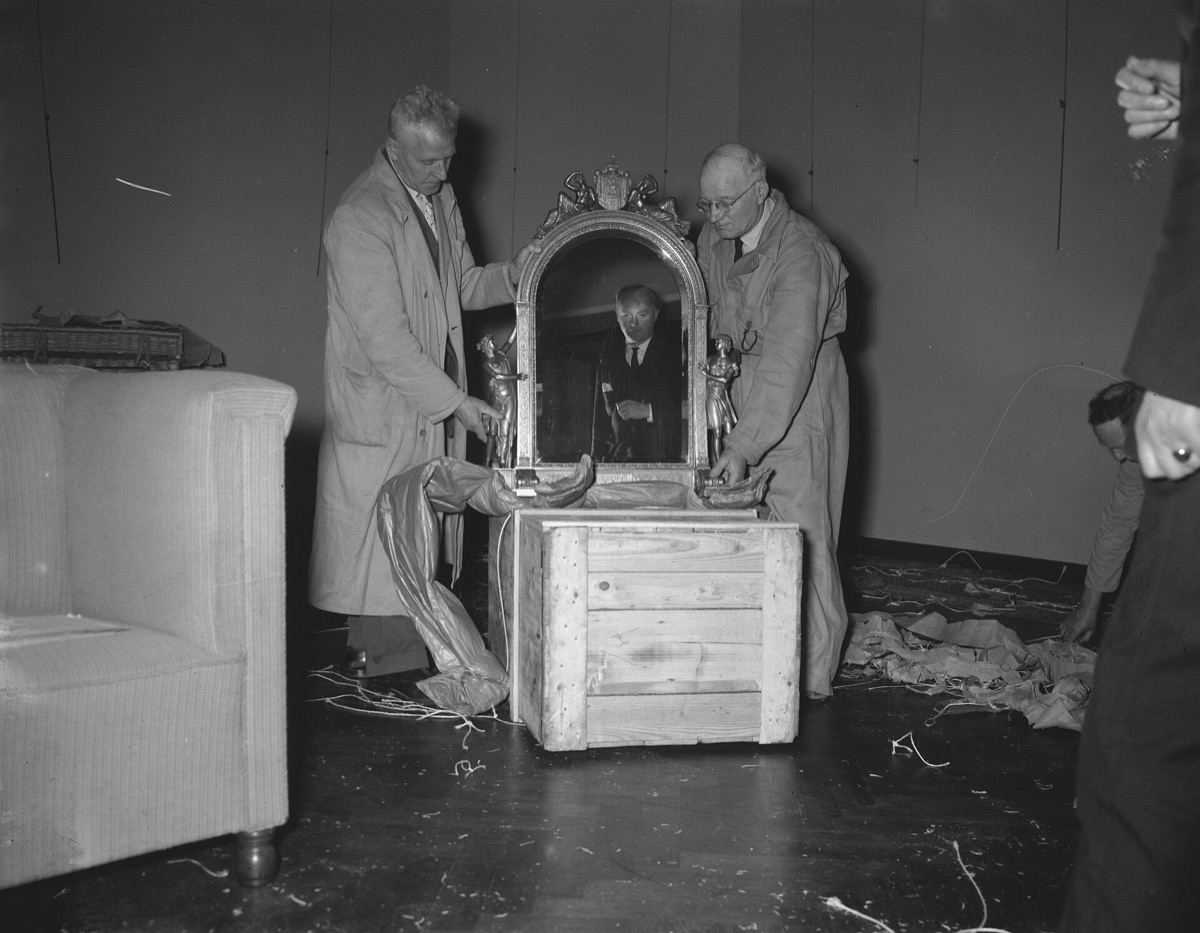
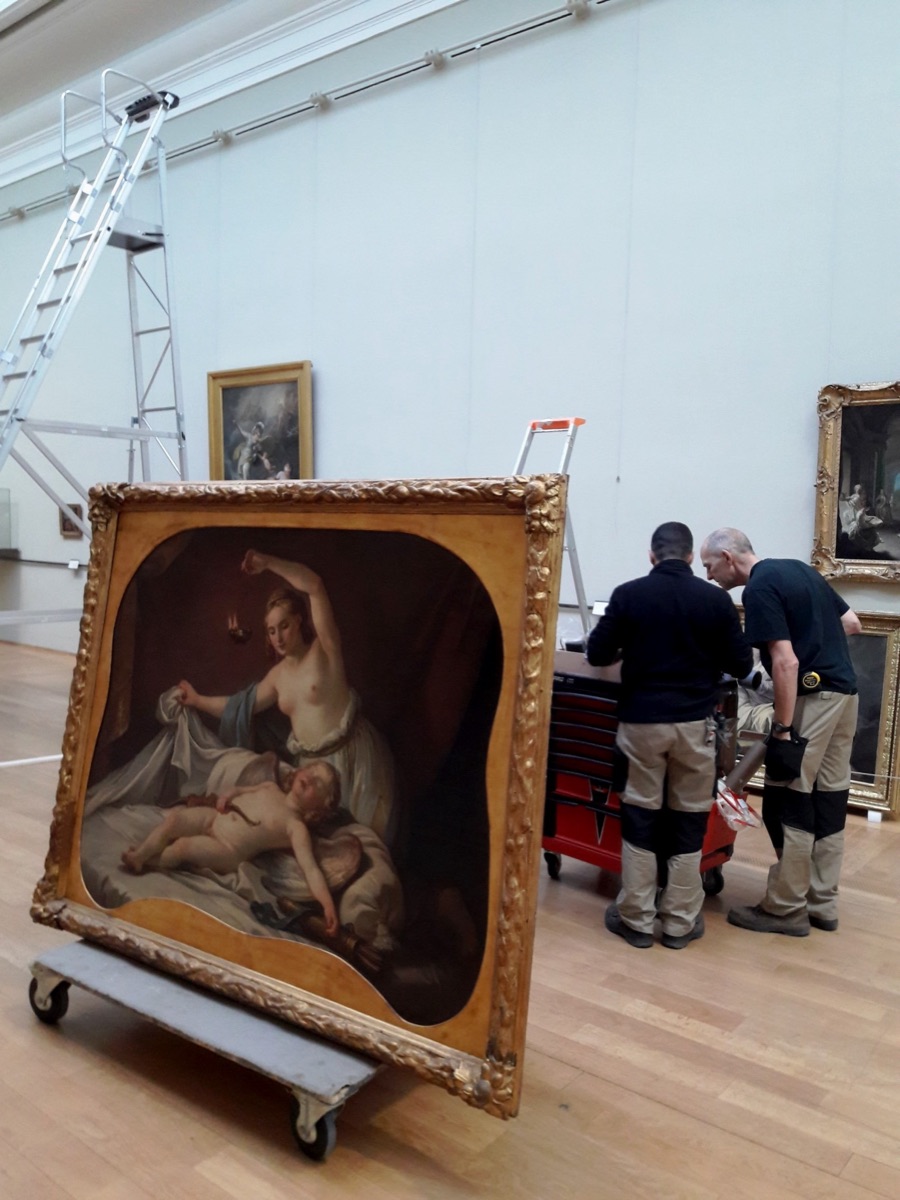
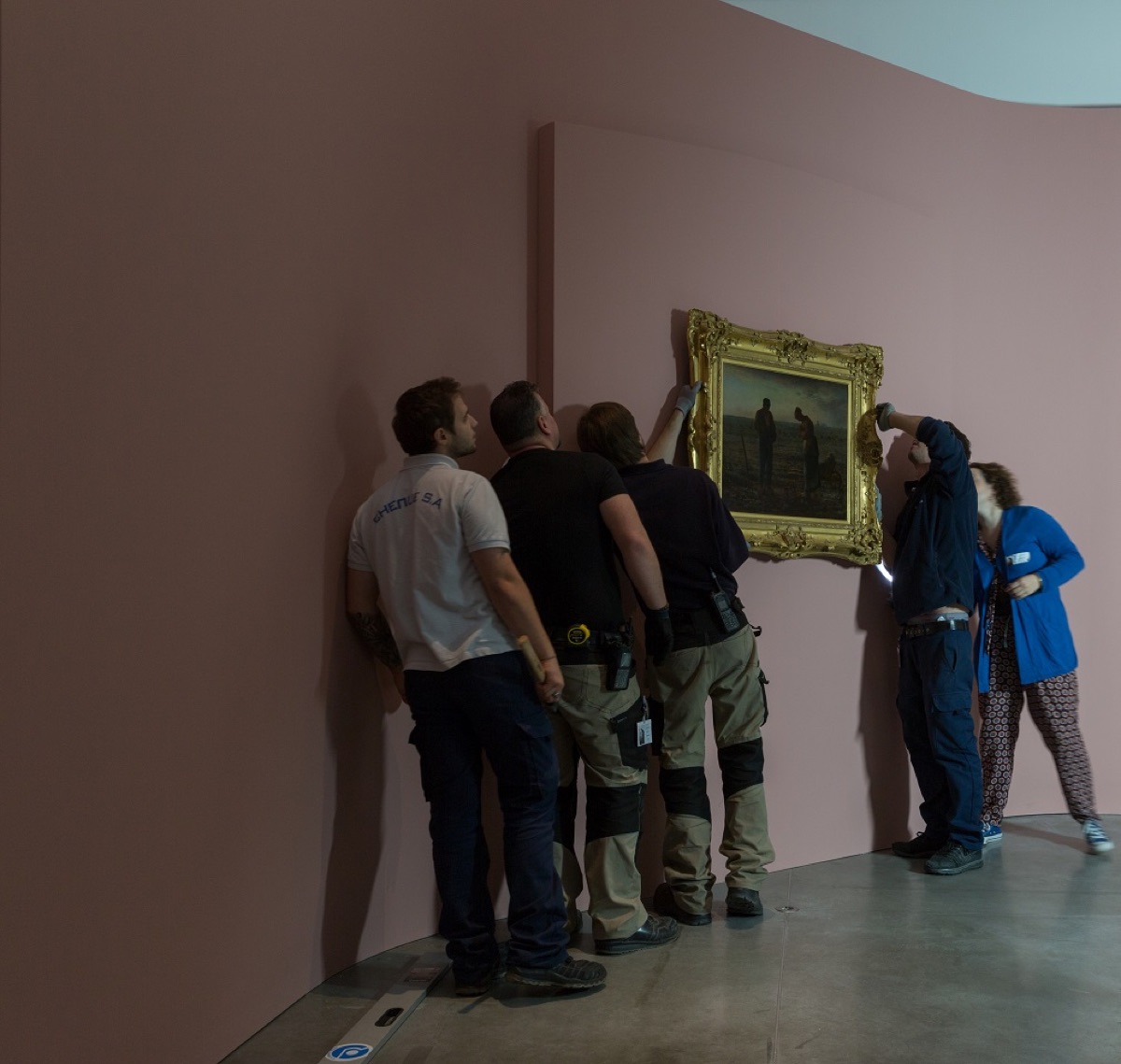
Also available for short-term rental, shoots and special projects. Shoots are always subject to obtaining permission from the rights holders.
It is a service that lets you have original works of art for a set period —from a one-off event to more than a year— without having to buy them. Eleve Art selects the works with curatorial judgement, coordinates transport and installation, and prepares a bespoke proposal for each space.
For hotels and hospitality projects, professional firms and notaries, offices and coworking spaces, interior design and architecture studios, property developers (home staging), events, shoots and cultural projects.
We offer rentals of 1 to 3 months, 3 to 6 months, 6 to 12 months and more than a year, as well as rentals for one-off events and shoots (the latter always subject to obtaining permission from the rights holders). The term and conditions are set out in the tailored proposal.
Yes. The collection brings together original paintings, drawings, sculptures and ceramics, and limited-edition original prints (etchings, lithographs, screenprints), with certificates, studio stamps or catalogue raisonné references. We do not rent reproductions.
Because reproduction rights belong to the artists and their heirs, not to the owner of the work. We only publish photographs of a work when it is allowed: if the work is in the public domain, if we hold a licence from the collecting society (VEGAP) or express permission from the artist or their heirs. Otherwise, photographs are provided in a private dossier to those with a specific project and, where available, we link to another copy published with authorisation by a museum or an auction house.
It depends on the work, the number of pieces, the term and the logistics of the project. We send the conditions in a tailored proposal; we reply within 24 hours.
We are based in Barcelona and Madrid and work across Spain, with professional transport and installation coordinated by our team.
The rental does not include image rights over the works: Eleve Art owns the originals, but reproduction rights belong to the artists and their heirs. Any photograph for commercial purposes, publication on a website or social media, filming or advertising use requires prior permission from the rights holders (in Spain, usually through VEGAP), which the client must obtain. We help you identify whom to contact.
Some works can be purchased after the rental period. Let us know in your request and we will tell you which pieces are available.
Data protection. Controller: Enrique Aznar (Eleve Art). Purpose: to answer your request and send you the information requested. Legal basis: your consent and pre-contractual measures. Recipients: technology providers supplying the server and email delivery, some in the USA with GDPR safeguards. Rights: access, rectification, erasure, objection and others, by writing to eleve.art@outlook.com. More information in the privacy policy (in Spanish).
Photograph not published out of respect for the artist’s reproduction rights. Available in the private dossier on request.
Page of the work (in Spanish) →Collection assistant
So we can send you the full proposal: